

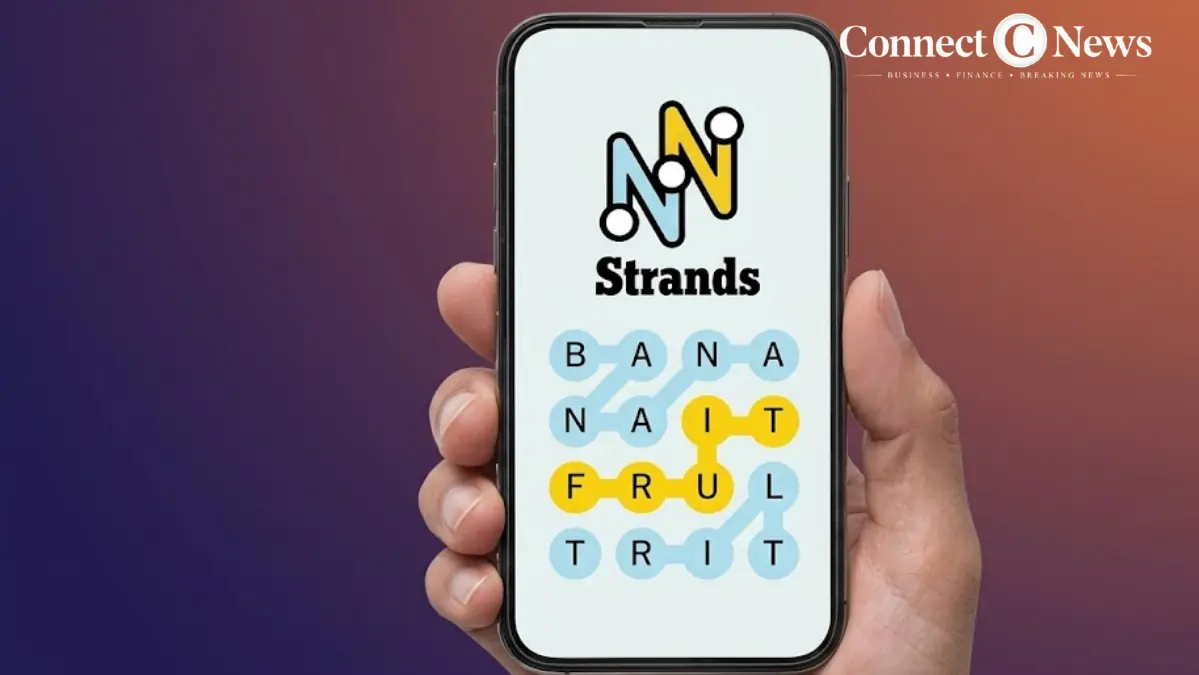
If you’ve ever stared at a grid of scrambled letters wondering how everyone else on social media solved it in under two minutes, you’ve probably already searched for a strands hint at some point. The New York Times’ Strands puzzle has quickly become one of the most addictive daily word games, sitting right alongside Wordle and Connections in millions of people’s morning routines. But unlike Wordle, Strands isn’t just about guessing a word — it’s about finding a hidden theme, spotting overlapping letters, and untangling a web of words that snake across the board in every direction.
In this guide, we’ll walk through everything you need to know about Strands: how the game works, why so many players search for a hint today, where to reliably find one, and some strategies that will make you less dependent on hints over time. Whether you’re a first-timer or someone who’s been playing since launch, this article will help you get unstuck without giving away the entire puzzle unless you want it spelled out for you.
What Exactly Is NYT Strands?
Strands is a daily word-search style puzzle published by The New York Times. You’re given a grid of letters, and your job is to find words connected to a secret theme. Every puzzle has one “spangram” — a special word or phrase that touches two opposite sides of the board and summarizes the day’s theme. Finding the spangram usually unlocks a much clearer picture of what the rest of the words are hiding.
Unlike a normal word search where words are listed for you, Strands gives you nothing but the grid and a cryptic theme title. That’s part of why so many people end up needing a nudge partway through, especially when the theme is intentionally vague or plays on wordplay.
Why People Search for a Strands Hint Today
There are a few common reasons players look up a strands hint today instead of solving it cold:
- The theme is ambiguous. Some days the category title is a pun or a double meaning, and it’s genuinely tricky to figure out what direction to search in.
- Letters overlap in confusing ways. Since letters can be shared between multiple words, it’s easy to get stuck circling the same few tiles.
- Time constraints. Not everyone has fifteen minutes to spend on a puzzle before work or school, so a quick hint helps them finish faster.
- Streak protection. Just like Wordle, many players keep a daily streak going and don’t want to break it over one stubborn puzzle.
Because of this, sites like Mashable, Forbes, and Parade have built entire recurring columns around publishing the daily answer, the spangram, and a gentler, non-spoiler hint for people who want just a small push rather than the full solution.
How to Use a Hint Without Ruining the Fun
If you’re looking for a strands hint mashable style approach — meaning a hint that eases you in rather than dumping the whole answer — here’s a simple system you can use on your own:
- Start with the theme title. Read it slowly and think about double meanings, idioms, or categories it could be hinting at.
- Look for short, common words first. Three- and four-letter words are usually easier to spot and often share letters with longer words.
- Circle in every direction. Words in Strands can go up, down, sideways, and diagonally, and they can change direction mid-word, so don’t limit your eyes to straight lines only.
- Save the spangram for last, or hunt it first. Some players prefer identifying the spangram immediately because it usually reveals the theme; others prefer solving smaller words first to build confidence before tackling it.
- Take a short break if you’re stuck. Coming back with fresh eyes after a few minutes often reveals words you were staring right past.
If none of that works and you still want a nudge, a targeted hint — like the category clue or the first letter of the spangram — is usually enough to get the momentum going again without spoiling the whole board.
Where to Find a Reliable Strands Hint
Several publications now cover Strands daily, and they roughly fall into two camps: those who ease you in with a subtle clue, and those who publish the full answer right away for people who just want it solved. When searching for a strands hint today, it helps to know what kind of spoiler level you’re comfortable with:
- Soft-hint style sites usually describe the theme in different words, give a category nudge, or reveal just the spangram without listing every themed word.
- Full-answer style sites list every word on the board along with the spangram, which is useful if you’re completely stuck or just want to check your work after finishing.
It’s worth bookmarking a couple of sources so you have a “gentle hint” option and a “just tell me” option depending on your mood that day.
The Difference Between a Hint and the Full Answer
A lot of players search terms like nyt strands hint expecting a full walkthrough, but there’s an important distinction worth understanding:
- A hint usually gives you the theme explanation, a partial clue, or the first word to get you moving.
- The full answer gives you every single word in the grid plus the spangram, effectively finishing the puzzle for you.
If you’re trying to preserve some of the challenge, it’s worth deliberately choosing hint-style content over full-answer content, even if it takes a tiny bit longer to look up. Many longtime players say the satisfaction of the game comes specifically from that “aha” moment right before the board clicks into place, and skipping straight to the answer removes that entirely.
Tips for Getting Faster at Strands Over Time
If your goal is to eventually rely less on outside hints, a few habits can genuinely speed up your solving skills:
- Play consistently. Like most word games, pattern recognition improves the more you expose yourself to the format.
- Study past themes. Reviewing categories from previous days can help you recognize the “flavor” of common Strands themes, since the puzzle often reuses similar structures (professions, idioms, categories of objects, etc.).
- Practice noticing prefixes and suffixes. Since many hidden words share roots, spotting common word chunks lets you branch out from one solved word to another nearby. <br>
- Don’t fixate on one area of the board. If you’re stuck, scan a completely different section rather than staring at the same corner.
- Use the shuffle sparingly. Strands sometimes offers a shuffle feature that rearranges the letters visually — this can help break tunnel vision when your eyes get used to a static layout.
Why Strands Has Become So Popular So Quickly
Part of the appeal is how it blends two different genres: the visual scanning of a word search with the “aha” reveal of a themed puzzle like Connections. It’s short enough to finish during a coffee break but tricky enough that a strands hint for today genuinely helps on harder days. The daily theme also gives it a sense of freshness that classic word searches lack, since you’re never just looking for a random list of unrelated words — everything ties back to one clever idea.
Additionally, its shareable format (a colored grid similar to Wordle’s green-and-yellow squares) makes it easy to post results without spoiling anything, which has helped it spread quickly across social platforms.
Final Thoughts
Whether you’re checking a strands hint today because the theme has you completely stumped, or you’re just curious how a particular tricky word connects to the spangram, there’s no shame in getting a little help. The key is choosing how much of a nudge you actually want — a light theme clue to get your brain moving, or the complete answer if you’re simply out of time. Either way, understanding how the puzzle is structured, practicing a few solving strategies, and knowing where to find trustworthy hints will make your daily Strands habit a lot more enjoyable and a lot less frustrating.
Frequently Asked Questions
What is a spangram in NYT Strands?
The spangram is a special themed word or phrase that touches two opposite sides of the puzzle board. It usually summarizes the daily theme and, once found, often makes the remaining words easier to identify.
How often does the Strands puzzle change?
Strands publishes a brand-new puzzle every single day, with a fresh theme, grid layout, and spangram, similar to how Wordle refreshes daily.
Is it possible to solve Strands without any hints?
Yes, many experienced players solve it without outside help by carefully reading the theme title, testing short words first, and scanning the grid systematically in all directions.
Where can I find today’s Strands hint if I’m stuck?
Several sites publish daily hints ranging from soft theme clues to full answer lists, so you can choose a source based on how much of a spoiler you want.
Does using a hint ruin the purpose of the game?
Not necessarily. A light hint, like a theme explanation, can help you get unstuck while still letting you solve most of the words yourself, preserving the challenge and satisfaction of the game.
