

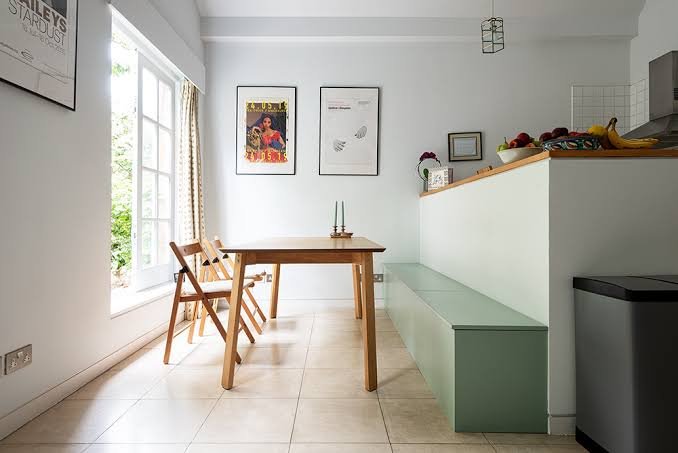
What Is a Dining Bench with Storage?
A dining bench with storage is a practical piece of furniture designed to combine comfortable seating with useful organisation. Instead of taking up additional floor space with a separate cabinet, chest, or shelving unit, the bench incorporates storage directly beneath or around the seating area. Depending on the design, this space may include lift-up compartments, drawers, cupboards, shelves, or removable baskets. This makes the furniture particularly appealing for homes where every part of the dining area needs to serve a purpose.
The concept works especially well in modern kitchens, dining rooms, breakfast areas, and open-plan interiors. Everyday items such as tablecloths, placemats, napkins, cushions, serving accessories, board games, and children’s belongings can be kept nearby without remaining visible. A well-designed bench can therefore help create a cleaner, less cluttered room while providing flexible seating. For homeowners who value both appearance and practicality, combining these two functions can be a smart way to make better use of available space.
Why Choose a Storage Dining Bench?
One of the biggest advantages of a storage dining bench is that it gives a room an extra storage zone without requiring another large piece of furniture. Traditional dining chairs only provide seating, while a standard bench uses its footprint solely for sitting. A storage version adds another layer of functionality, making the same amount of floor space more useful. This can be particularly valuable in smaller homes, apartments, kitchen diners, and multifunctional rooms where storage is often limited.
A storage bench can also introduce a more relaxed and welcoming atmosphere than a collection of individual chairs. Long seating encourages a casual dining arrangement and can accommodate several people depending on its dimensions. When positioned correctly, the bench can also help define a dining area within an open-plan room. The combination of seating, hidden organisation, and attractive design makes it a versatile choice for households looking to balance style with everyday practicality.
Best Styles for Different Interiors
Storage dining benches come in a wide variety of designs, so there is no need to compromise on appearance simply because you want additional functionality. Natural wooden models can complement farmhouse, rustic, Scandinavian, traditional, and contemporary interiors, while upholstered designs can add softness and comfort. Minimalist benches with clean lines work particularly well in modern rooms, especially when paired with simple dining tables and neutral colours. Choosing the right silhouette can help the bench feel like an intentional part of the interior.
Corner and banquette-style designs are another popular option because they can create a distinctive dining zone while making better use of unused space. L-shaped benches can fit neatly into corners, while straight benches are often easier to move and reposition. The finish should ideally coordinate with other elements in the room, such as the dining table, flooring, cabinetry, or existing chairs. Matching everything exactly is not essential; carefully selected complementary materials and colours can create a more interesting and sophisticated result.
Small and Corner Designs for Compact Spaces
A small dining bench with storage can be particularly useful when a room has limited floor space. Compared with several individual chairs, a streamlined bench may create a cleaner visual effect and can sometimes slide underneath the dining table when it is not being used. Before buying, measure the available length and depth carefully and consider how much space people need to move around the table. A compact design should still provide comfortable seating rather than sacrificing usability simply to achieve a smaller footprint.
Corner benches can make even better use of awkward areas. An L-shaped arrangement can turn an unused corner into a dedicated dining nook while providing storage underneath the seating. However, the position of the storage openings is important. A lift-up lid or drawer needs enough clearance to operate properly, so walls, table legs, nearby cabinets, and other furniture should be considered before installation. Good planning can transform an overlooked corner into one of the most useful areas of the room.
Choosing the Right Size and Storage Type
Getting the dimensions right is one of the most important parts of buying a storage dining bench. Measure the available area first, then compare the bench’s length, depth, and height with the dining table. The seating should allow sufficient legroom and should not make it difficult for diners to sit down or leave the table. Also consider how much walking space is needed around the furniture. A beautiful bench can become frustrating if it makes an otherwise comfortable dining room feel cramped.
The type of storage also deserves careful consideration. Lift-up seating can provide one large compartment for cushions, blankets, or larger items, while drawers are often better for smaller belongings that need frequent access. Cupboard-style storage can offer a polished appearance, whereas baskets may suit a relaxed or rustic interior. Think about what you actually intend to keep inside before choosing a mechanism. Storage is most useful when the contents are easy to organise, reach, and remove when needed.
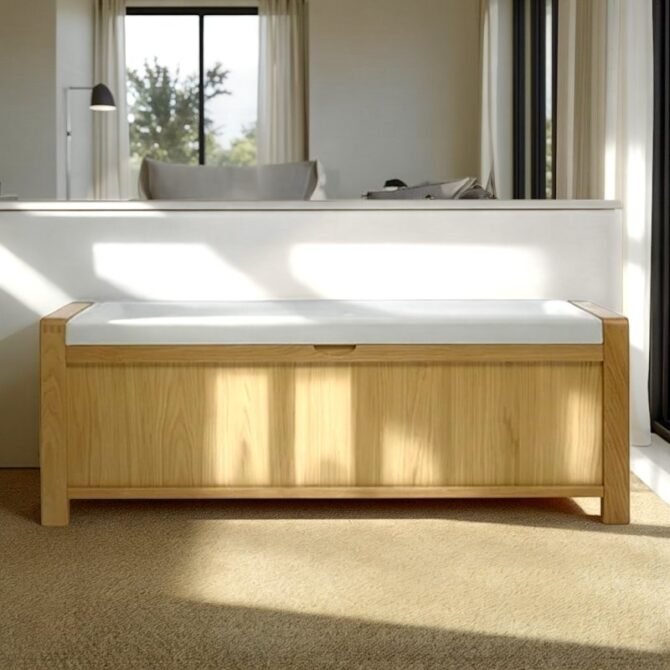
Materials, Comfort and Durability
Material selection influences the appearance, comfort, maintenance, and lifespan of a storage bench. Solid wood can provide a sturdy, timeless feel and works with many decorating styles. Engineered wood may offer greater flexibility in finishes and can be a practical alternative for different budgets. Upholstered benches introduce additional softness and can become a focal point through fabric colour, texture, or pattern. The best material depends on how heavily the furniture will be used and how much maintenance the household is prepared to provide.
Comfort should be considered just as carefully as storage capacity. Seat height and depth need to work with the dining table, while cushioning can make longer meals considerably more pleasant. A backrest may provide additional support, although a backless bench can have a lighter appearance and may be easier to position beneath a table. For busy households, easy-clean upholstery or durable finishes can be especially useful. Strong joints, stable legs, reliable hinges, and quality hardware are also worth checking before purchase.
How to Match the Bench With Your Dining Table
A storage bench does not necessarily need to match the dining table exactly. In fact, combining contrasting but complementary finishes can create a more distinctive interior. A natural wood table can work with painted seating, while an upholstered bench can soften the appearance of a darker or more industrial table. Repeating a material, colour, or texture elsewhere in the room can help connect different pieces and make the overall arrangement feel deliberate rather than mismatched.
Proportion is more important than exact matching. The bench should be appropriately sized for the table so that diners can sit comfortably and move naturally. Check the seat height in relation to the tabletop and consider whether the bench can be pushed under the table when necessary. If combining the bench with individual chairs, make sure the different seating styles still allow everyone to use the table comfortably. A balanced arrangement should look attractive while remaining practical during everyday meals.
Smart Space-Saving and Styling Ideas
The greatest advantage of integrated dining storage is its ability to reduce the need for additional furniture. Instead of filling a dining room with cupboards or shelving, homeowners can use the bench compartment to keep less frequently displayed items out of sight. This approach can help maintain clear surfaces and create a calmer visual environment. Baskets or smaller organisers can be placed inside larger compartments to prevent the storage area from becoming a disorganised collection of miscellaneous belongings.
Styling can further enhance the appearance of the seating. Cushions can introduce colour and comfort, while a carefully chosen throw can make a wooden bench feel warmer and more inviting. In a mixed seating arrangement, matching cushion fabrics or accent colours can visually connect the bench with separate dining chairs. Accessories should remain practical, however, particularly when the storage compartment is accessed frequently. The aim is to create a dining area that looks polished without making everyday use unnecessarily difficult.
What to Check Before Buying
Before purchasing, check the complete product specifications rather than relying only on photographs. Important details include overall dimensions, seat height, seat depth, storage capacity, weight limits, materials, upholstery, assembly requirements, and cleaning instructions. The opening mechanism should also be examined carefully. A storage compartment may look generous, but its usefulness depends on whether the lid, drawer, or door can be opened comfortably within the intended layout.
Delivery and access are equally important, particularly for large corner or banquette-style furniture. Measure doorways, hallways, staircases, and other narrow areas through which the bench will need to pass. It is also sensible to review the retailer’s delivery, return, and warranty policies before ordering. Choosing furniture based on accurate measurements and practical specifications can prevent many common problems and ensures that the final piece fits both the room and the household’s needs.
Common Mistakes to Avoid
One of the most common mistakes is choosing a bench solely because it looks attractive in a photograph. Images can make furniture appear smaller or larger than it really is, so exact measurements should always be checked. A bench that is too deep may reduce walking space, while one that is too short could create an uncomfortable relationship with the dining table. Ignoring storage access is another issue, particularly when a lid or drawer needs clearance that the surrounding layout does not provide.
It is also easy to underestimate how much construction quality matters. A bench used every day needs to withstand repeated sitting, movement, and opening of its storage compartments. Lightweight hardware or poorly supported seating may not perform well over time. Buyers should consider how the furniture will actually be used rather than focusing exclusively on colour or style. Choosing a durable construction, suitable materials, comfortable dimensions, and practical storage arrangement can make a significant difference to long-term satisfaction.
Is a Dining Bench with Storage Worth It?
For many households, a dining bench with storage offers an excellent combination of seating, organisation, and visual appeal. It can be especially valuable where floor space is restricted or where a dining area needs to accommodate multiple functions. Instead of adding a separate storage unit, the bench uses an existing seating footprint to provide additional capacity. This makes it a practical solution for compact kitchens, family dining areas, open-plan rooms, and homes where keeping clutter under control is a priority.
However, the best choice is not necessarily the largest or most elaborate model. The ideal bench should fit the room comfortably, provide accessible storage, offer appropriate support, and complement the existing interior. Consider what you need to store, how often the compartment will be opened, how many people will use the seating, and how much maintenance you are willing to provide. When these factors are considered together, a storage bench can become a long-lasting and highly functional part of the dining area.
Conclusion
Choosing the right dining bench with storage is ultimately about finding a balance between appearance and everyday practicality. Size, seating comfort, storage access, construction quality, materials, and compatibility with the dining table all deserve attention before making a decision. A thoughtfully selected bench can provide valuable organisation without requiring additional floor space, making it an appealing option for both large and compact interiors.
Whether the preference is for a simple wooden bench, a comfortable upholstered design, or a space-efficient corner arrangement, there are options to suit a wide range of homes. Careful measurements and realistic consideration of how the furniture will be used can make the buying process much easier. With the right combination of design and functionality, a storage bench can help create a dining area that feels organised, comfortable, and inviting.
Frequently Asked Questions
Are dining benches with storage practical?
Yes, they can be highly practical because they combine two functions within one piece of furniture. The seating provides a place for diners, while the integrated compartment creates additional space for household items. This can be particularly useful in smaller dining areas where adding a separate storage cabinet would take up valuable floor space.
What can be stored inside a dining bench?
Suitable items can include table linens, napkins, placemats, cushions, serving accessories, board games, children’s toys, and seasonal dining equipment. The exact contents should depend on the size and construction of the compartment. Heavy or unsuitable objects should not be stored if they could exceed the manufacturer’s recommended capacity or damage the internal structure.
Is a corner dining bench good for a small room?
A corner design can be an excellent option for a smaller room because it makes use of wall and corner space that might otherwise remain unused. An L-shaped arrangement can create a dedicated dining area while providing additional storage beneath the seats. Careful measurements are essential to ensure the bench does not restrict movement.
Should a dining bench have a backrest?
A backrest can improve support and comfort, particularly when the bench is used for extended meals. Backless designs generally have a simpler appearance and may be easier to slide beneath a table. The decision should depend on available space, personal comfort preferences, the desired visual style, and how frequently the seating will be used.
How do I choose the right storage bench?
Start by measuring the dining area and comparing the available space with the bench’s dimensions. Then consider seat height, depth, storage capacity, opening mechanism, construction materials, comfort, durability, and appearance. It is also important to check delivery access and maintenance requirements. The best option should solve a genuine storage or seating need without making the room difficult to use.
You may also read Algarve Temperature by Month Overview
