

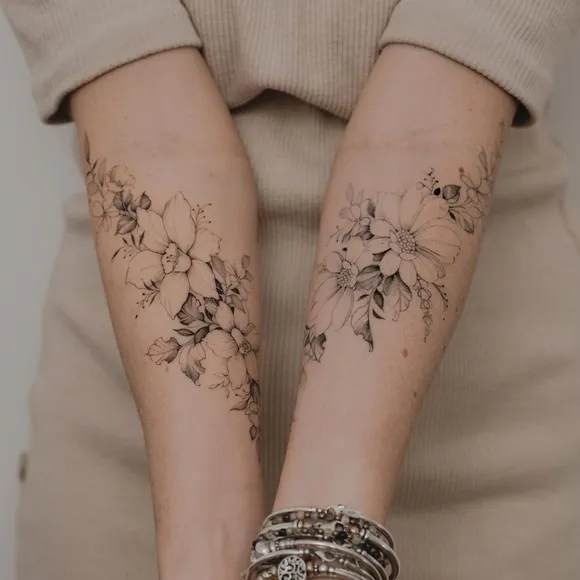
Fine line tattoos have become a favorite among people who want body art that feels elegant, personal, and understated. Instead of relying on thick outlines and heavy shading, this style uses delicate strokes to create everything from tiny symbols to detailed botanical illustrations. The result can be subtle enough for everyday wear while still expressing a meaningful memory, personality trait, relationship, or personal milestone.
Choosing from the many fine line tattoo ideas available online can feel overwhelming because there are countless styles, symbols, placements, and artistic approaches to consider. The best tattoo is not necessarily the trendiest one. It should suit your personality, fit the chosen area of your body, and remain visually balanced as it naturally ages. This guide explores popular designs, meanings, placement options, practical considerations, and ways to create a tattoo that feels genuinely yours.
What Is a Fine Line Tattoo?
A fine line tattoo is created using thin, precise strokes rather than the heavier outlines commonly associated with traditional tattoo styles. Artists can use delicate lines to create flowers, animals, faces, geometric patterns, landscapes, celestial symbols, lettering, and abstract artwork. Some designs contain only a few simple strokes, while others use carefully arranged lines to create impressive detail without making the tattoo appear visually heavy.
The simplicity of the finished tattoo can sometimes make the technique look easier than it actually is. Fine line work requires accuracy, controlled movement, appropriate spacing, and an understanding of how tattoo ink behaves in skin. The artist must also consider the size of the design and how much detail can realistically fit into it. This is why choosing an experienced artist is particularly important when planning delicate artwork.
Beautiful Fine Line Tattoo Ideas for Inspiration
Flowers are among the most adaptable choices for delicate tattoo artwork. Roses, daisies, lavender, wildflowers, lotus flowers, leaves, vines, and botanical branches can all be transformed into elegant line drawings. Each design can also carry a different personal meaning, from love and beauty to growth, remembrance, peace, or new beginnings. A carefully placed botanical tattoo can follow the natural shape of the wrist, forearm, shoulder, collarbone, or ankle.
Nature and animal designs offer another broad source of inspiration. Butterflies can represent transformation, birds may suggest freedom, and mountains can symbolize resilience, adventure, or a connection with a favorite place. Waves, trees, clouds, moons, stars, and constellations are equally versatile. Instead of choosing an image simply because it looks attractive, consider whether it represents something important about your experiences, relationships, interests, or aspirations.
Minimalist designs are particularly suitable for people who prefer understated body art. Tiny hearts, stars, arrows, geometric shapes, initials, simple symbols, and single-line illustrations can create a polished appearance without requiring a large area of skin. Small designs can also be discreet, making them appealing to people who want meaningful artwork that does not dominate their overall appearance.
Personalization can make a familiar tattoo concept feel completely different. A birth flower can represent a loved one, a small landscape can commemorate a memorable journey, and handwritten lettering can preserve a meaningful word or phrase. Couples, siblings, and friends can choose matching or complementary designs that represent their relationship without having identical tattoos. These personal details often make minimalist tattoos more memorable than generic designs.
Choosing the Right Tattoo Placement
Placement plays an important role in both the appearance and practicality of a delicate tattoo. The wrist and forearm are popular because they provide suitable areas for small and medium-sized artwork while allowing the wearer to see the design easily. The shoulder, collarbone, upper arm, ankle, and back can also work beautifully for botanical, celestial, geometric, and other minimalist compositions.
However, not every body area behaves in the same way. Fingers and hands experience frequent washing, movement, friction, and exposure, which can affect how tattoos look over time. Areas regularly exposed to sunlight may also require greater attention to protection. Before choosing a location, consider the design’s size, level of detail, visibility, lifestyle requirements, and how naturally the artwork will fit the shape and movement of your body.
How to Choose a Meaningful Fine Line Design
The strongest tattoo designs often combine visual appeal with personal significance. Before making a final decision, think about what you want the tattoo to represent. It could commemorate a person, celebrate a major life change, represent a favorite place, reflect an important value, or simply capture an aesthetic you genuinely love. A meaningful concept does not need to be complicated to have emotional value.
Size should also be considered carefully when selecting your design. Extremely small tattoos may not provide enough room for complicated details, lettering, or intricate patterns to remain clear over time. A skilled artist may recommend simplifying an image or increasing its size to preserve its essential features. Trusting professional advice can help create a tattoo that looks attractive when fresh and remains appropriately balanced as the skin naturally changes.
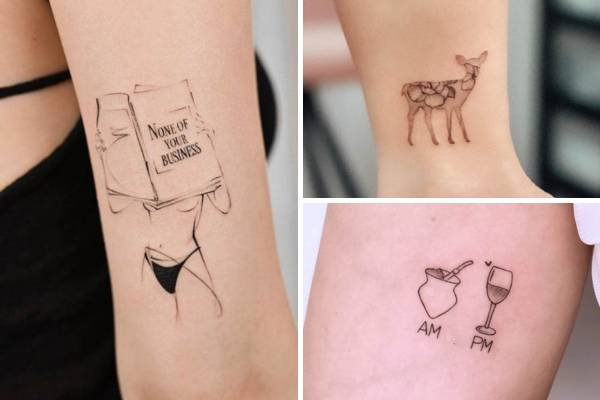
Fine Line Tattoo Meanings and Popular Styles
Many popular symbols have traditional associations, but their meaning does not have to follow a fixed definition. A butterfly may represent transformation, a mountain may represent strength, and a moon may symbolize change or different stages of life. Flowers can represent everything from love and beauty to growth and remembrance. These traditional associations can provide inspiration, but the personal story behind your tattoo is ultimately more important.
Celestial designs, animals, botanical artwork, geometric patterns, and simple lettering can all be adapted to suit different personalities. Someone who loves travel might choose a tiny landmark, map outline, or meaningful coordinates. A nature enthusiast could choose a mountain range or botanical branch, while someone interested in family might select initials, birth flowers, or a simple symbol representing a shared memory. The possibilities are broad enough to make almost any concept personal.
Do Fine Line Tattoos Last?
Fine line tattoos can remain attractive for many years, but delicate artwork should be approached with realistic expectations. Lines can naturally soften or become less distinct as skin changes over time. Several factors can influence the appearance of a tattoo, including placement, sunlight, skin characteristics, ink saturation, design size, friction, and aftercare. A delicate tattoo should therefore be viewed as evolving artwork rather than something guaranteed to remain identical forever.
Some tattoos may eventually require a professional touch-up to refresh particular areas or restore definition. This does not automatically indicate poor workmanship because natural aging and environmental exposure affect all tattoos to some degree. Choosing an appropriate design size, avoiding excessive detail in extremely small artwork, protecting healed skin from excessive sunlight, and following professional aftercare guidance can all support better long-term results.
Finding the Right Tattoo Artist
Choosing the right artist is one of the most important decisions you can make before getting a delicate tattoo. Look for someone whose portfolio demonstrates consistent experience with fine line work rather than choosing solely because an artist is popular online. Pay particular attention to healed examples, because freshly completed tattoos can look sharper and more defined than they may appear after the healing process.
A consultation is also an excellent opportunity to discuss your design, preferred placement, size, and expectations. A professional artist should be able to explain whether your chosen concept is practical at the intended size and may suggest adjustments that improve the final result. Hygiene and professional studio practices should also be priorities. Saving money by choosing an unsuitable artist can create much greater problems than paying for experienced, careful work from the beginning.
Fine Line Tattoo Aftercare and Common Mistakes
Proper aftercare is an important part of achieving the best possible healing result. Follow the instructions provided by your tattoo artist because recommendations can vary depending on the technique, placement, and protective covering used. Keep the tattoo appropriately clean, avoid unnecessary touching or scratching, and do not deliberately disturb peeling skin. During healing, follow professional advice about activities that could irritate or expose the area unnecessarily.
One common mistake is treating a small tattoo as though it requires little planning simply because it takes less space. Another is choosing a complicated design that has been reduced too far to fit a tiny area. Neglecting placement, selecting an inexperienced artist, ignoring aftercare instructions, and expecting delicate lines to remain unchanged forever can also lead to disappointment. Thoughtful planning before the appointment can prevent many avoidable problems.
Tips for Planning Your First Fine Line Tattoo
If you are getting your first tattoo, take time to understand what you actually want rather than choosing an image solely because it is currently popular. Save several references and identify the elements you like about them, whether that is the line quality, composition, symbolism, size, or placement. You can then discuss these preferences with your artist instead of simply asking them to reproduce another person’s tattoo.
It is also worth thinking about how the tattoo will fit into your everyday life. Consider whether you want it visible or discreet, whether your chosen location experiences frequent friction or sunlight, and whether the artwork will still feel appropriate years from now. A consultation can help refine the concept and make it more suitable for your body. The goal should be a tattoo that feels personal, visually balanced, and thoughtfully designed rather than rushed.
Conclusion
The best fine line tattoo ideas combine simplicity with personality, allowing a relatively small design to communicate a meaningful story. From delicate flowers and butterflies to celestial symbols, landscapes, animals, lettering, and abstract line art, there are countless directions to explore. The most successful choice is one that reflects your taste while also taking practical factors such as size, placement, artist skill, and long-term appearance into consideration.
Before booking an appointment, research your artist carefully, review healed work, discuss your concept during a consultation, and listen to professional advice about sizing and placement. Remember that tattoo trends will continue to change, but a thoughtfully chosen design can remain personally meaningful long after a particular style has faded from popularity. With careful planning and realistic expectations, a minimalist tattoo can become a subtle but lasting piece of personal artwork.
Frequently Asked Questions
What are the best fine line tattoo ideas for beginners?
Simple flowers, stars, hearts, small animals, geometric symbols, and short meaningful designs can be excellent starting points. Beginners should focus less on choosing the smallest possible tattoo and more on selecting artwork that can be executed clearly at an appropriate size. An experienced artist can help simplify a concept while retaining the details that make it personally meaningful and visually attractive.
Do fine line tattoos fade faster than regular tattoos?
Delicate lines may become softer or less defined over time, although the rate of change varies from person to person. Sun exposure, placement, skin characteristics, tattoo size, ink, friction, and aftercare can all influence longevity. This does not mean every fine line tattoo will fade quickly. Appropriate sizing, professional execution, good aftercare, and protection from excessive sunlight can support a better long-term appearance.
Are fine line tattoos painful?
Pain varies according to individual sensitivity, tattoo location, design size, and appointment length. Areas with thinner skin or greater proximity to bone may feel more sensitive for some people, while areas with more cushioning may be easier. The thinness of the tattoo itself does not determine the entire pain experience. Your artist can also explain what to expect based on the specific placement you choose.
Where should I get a fine line tattoo?
There is no universal best placement because the right location depends on your design, lifestyle, desired visibility, and personal preference. Wrists, forearms, shoulders, collarbones, ankles, and backs are commonly considered for delicate artwork. Areas exposed to frequent friction or sunlight may require additional consideration. Your tattoo artist can help determine whether your chosen design needs to be adjusted for a particular location.
Do fine line tattoos need touch-ups?
Some delicate tattoos may benefit from touch-ups in the future, particularly if certain lines become softer or less visible. This can happen because of natural skin changes, sunlight, friction, placement, or the characteristics of the original design. A touch-up is not necessarily a sign that the original tattoo was poorly done. It can simply be part of maintaining artwork as your skin naturally changes.
How do I choose a fine line tattoo artist?
Look for an artist with a portfolio that demonstrates genuine experience with delicate line work. Healed examples are especially valuable because they show how the artist’s work settles after the initial healing stage. Consider line consistency, composition, detail, studio hygiene, professionalism, and client reviews. During a consultation, discuss your concept openly and pay attention to whether the artist gives practical advice about size, placement, and longevity.
You may also read What Is Topsy Turvy Brent Cross?
