

Understanding the Welsh Property Market
Wales offers a remarkably varied housing market, giving buyers the choice of lively cities, established towns, quiet villages, countryside homes and attractive coastal properties. The range is one of the country’s biggest advantages: a buyer can look for a practical terraced house near urban amenities or search for a character cottage surrounded by open countryside. Property prices also vary significantly between local areas, so researching individual markets is more useful than relying on one national figure.
For anyone searching for houses for sale in Wales, the right property is about more than the asking price. Location, commuting distance, schools, healthcare, transport, property condition and future needs can all influence whether a home represents good value. In 2026, buyers should approach the market with a clear budget and compare several locations before deciding where to concentrate their search.
Best Areas to Buy a House in Wales
The best place to buy depends heavily on the lifestyle and priorities of the individual buyer. Cardiff, Swansea and Newport can suit people who value employment opportunities, transport connections and urban amenities, while areas such as Pembrokeshire, Ceredigion, Gwynedd and parts of Mid Wales may appeal to those seeking more space, scenery and a quieter environment. Nearby towns and villages can also provide alternatives to expensive city locations.
Price differences between Welsh local authorities demonstrate why location research matters. Official Welsh Government housing information shows considerable variation in local property values, meaning two homes with similar sizes can have very different asking prices depending on where they are situated. Buyers should therefore compare local listings, amenities, transport and recent market conditions rather than assuming that one area is representative of Wales as a whole.
House Prices and Affordable Properties in Wales
Affordability is one of the main reasons buyers explore the Welsh market, but the cheapest property is not necessarily the best financial choice. A lower-priced house may require extensive renovation, have limited transport links or involve higher maintenance costs. Buyers should calculate the complete cost of ownership, including repairs, insurance, energy bills, legal expenses and other purchase-related costs, before deciding whether a property is genuinely affordable.
Those looking for houses for sale in Wales at the lower end of the market should consider a wider range of locations rather than focusing only on popular destinations. Smaller towns and some valley communities can provide opportunities that may not be available in premium coastal or commuter markets. Properties below £100,000 can occasionally appear, but condition, size and location may involve significant compromises, so every listing should be investigated individually.
Rural and Coastal Homes
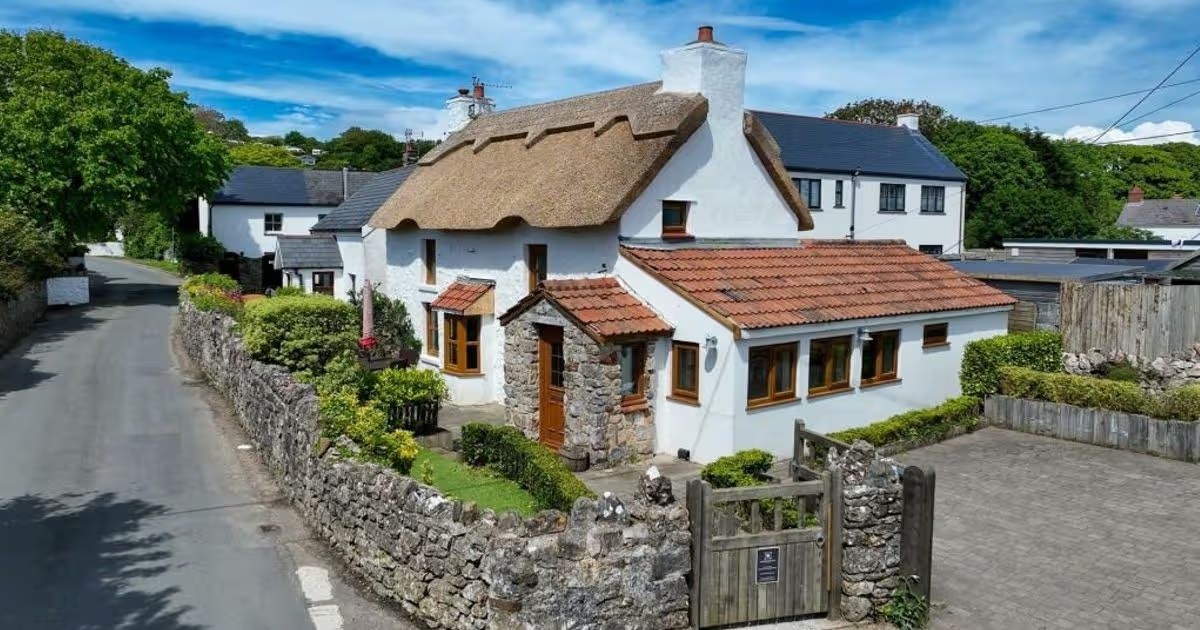
Rural Wales has a strong appeal for buyers who want gardens, land, privacy and easy access to natural landscapes. Traditional cottages, detached homes, farmhouses and converted buildings can offer distinctive character and more outdoor space than comparable urban properties. Mid Wales, West Wales and parts of North Wales are particularly interesting for buyers who want countryside living, although the convenience of services can vary greatly between communities.
Coastal properties offer another attractive option, particularly around Pembrokeshire, Ceredigion, Gwynedd, Conwy and Anglesey. Sea views, beaches and attractive seaside communities can make these homes highly desirable, but buyers should look beyond the scenery. Flood risk, weather exposure, maintenance, insurance and access can all affect long-term ownership. Anyone considering a coastal property for holiday accommodation should also check current rules and financial obligations before purchasing.
Finding the Right Property for Your Budget
A successful property search begins with a realistic budget rather than a particular house. Buyers should calculate how much they can comfortably spend after considering their deposit, mortgage repayments, legal fees, survey costs, insurance, moving expenses and expected maintenance. A lender may offer a maximum borrowing amount, but that does not necessarily mean the buyer should spend the full amount.
It is also worth searching neighbouring towns and villages. Expanding the search area by a few miles can reveal larger gardens, additional bedrooms or better-value properties while keeping the buyer within reach of their preferred location. Property portals and local estate agents can help identify new listings, but buyers should compare similar properties carefully and consider condition, energy efficiency, parking and future resale appeal rather than relying on photographs alone.
Costs, Taxes and the Buying Process
The purchase price is only one part of the financial commitment involved in buying a Welsh home. Buyers may need to budget for a deposit, mortgage-related expenses, conveyancing, surveys, valuation costs, insurance, removals and immediate repairs. Wales uses Land Transaction Tax rather than Stamp Duty Land Tax, and the applicable rates depend on the type and value of the transaction. Current Welsh Government information lists a 0% main residential rate up to £225,000, with higher bands applying above that threshold.
The buying process generally moves from property searches and viewings to an offer, mortgage arrangements, conveyancing, searches, surveys, exchange and completion. Buyers should remember that an accepted offer is not the same as completing the purchase. Legal checks can uncover issues involving boundaries, planning, rights of way, drainage or other matters, so professional conveyancing and an appropriate property survey can be valuable safeguards.
What to Check Before Buying a Welsh Home
A viewing should involve much more than deciding whether you like the décor. Look carefully for damp, mould, cracks, roof problems, ageing windows, inefficient heating systems and signs of poor maintenance. Buyers should also examine the garden, parking arrangements, boundaries and access. For rural properties, private drainage, water supplies, broadband, mobile coverage and road conditions deserve particular attention because they can have a major effect on everyday life.
Location-specific risks should also be investigated before making a commitment. Properties close to rivers, steep terrain or the coast may require additional checks for flooding or other environmental concerns. Planning history and restrictions can also affect future alterations. A professional survey can identify problems that are not immediately visible, while legal searches can provide important information about the property and surrounding land.
Choosing Between New-Build and Older Homes
New-build homes can be appealing to buyers who want modern layouts, contemporary insulation and fewer immediate maintenance requirements. Depending on the development, buyers may also receive a warranty and benefit from newer fixtures and fittings. However, a new property still deserves careful investigation. Buyers should understand the specification, completion arrangements, estate management costs where applicable and the quality and location of the wider development.
Older Welsh homes can offer character, established gardens and architectural features that are difficult to reproduce in new construction. At the same time, age can bring additional maintenance requirements. Roofing, plumbing, electrical systems, insulation and heating may need attention depending on the property’s history. A detailed survey and realistic renovation budget can help buyers decide whether a period property offers charm at a manageable cost or represents a much larger project.
Buying as a First-Time Buyer or Investor
First-time buyers should focus on affordability and long-term practicality rather than simply choosing the most attractive property they can find. The deposit is important, but monthly mortgage payments are only one part of household expenditure. Council tax, energy, insurance, maintenance, commuting and unexpected repairs can all affect affordability. Understanding these expenses before making an offer can prevent financial pressure later.
Investors and second-home buyers need to assess a property differently. Potential rental income should be balanced against financing, insurance, maintenance, vacancies and taxes. Holiday accommodation may also involve additional rules or restrictions depending on the property and location. Current regulations can change, so buyers should obtain professional advice and use realistic financial assumptions instead of relying on projected returns that have not been independently checked.
Making a Confident Property Purchase
The strongest property purchase is rarely the one made fastest. Buyers should compare several homes, research the surrounding area and investigate any concerns before committing. A property that looks inexpensive may become costly after repairs, while a slightly more expensive house in better condition could offer greater value over several years. Negotiation is also more effective when supported by comparable properties, survey findings and clear evidence.
For people researching houses for sale in Wales, flexibility can make the search considerably easier. Looking at different property types, nearby communities and less fashionable areas may reveal opportunities that initially go unnoticed. The final decision should balance affordability, location, condition and lifestyle. By combining current market research with professional checks and sensible financial planning, buyers can approach the Welsh property market with greater confidence in 2026.
Conclusion
Wales provides an unusually broad selection of homes, from city terraces and modern developments to rural cottages and coastal properties. That variety means there is no single location or property type that is right for everyone. The ideal choice depends on budget, employment, transport, lifestyle, household requirements and the amount of maintenance a buyer is prepared to undertake.
Anyone considering houses for sale in Wales should take time to investigate the local market rather than making a decision based purely on an attractive listing. Compare prices, examine the property’s condition, research the neighbourhood and allow for taxes and additional buying costs. With careful preparation and appropriate professional advice, buyers can identify a home that provides both immediate appeal and lasting practical value.
FAQs About Houses for Sale in Wales
Where can I find affordable houses in Wales?
Affordable properties can be found in a range of Welsh locations, particularly when buyers look beyond the most expensive cities and highly sought-after coastal communities. Smaller towns and some valley areas may provide lower entry prices, although availability changes constantly. Buyers should compare current listings, property condition, transport and local amenities before deciding that a particular area offers the best value.
Can I find houses in Wales for under £100,000?
Properties below £100,000 can sometimes be found, but they may be smaller, require renovation or be located in areas with fewer amenities. Buyers should avoid judging affordability from the listing price alone. Survey costs, legal work, repairs, heating improvements and other expenses can quickly increase the overall budget, making a thorough financial assessment particularly important for lower-priced properties.
Is Wales a good place to buy a house?
Wales can be an excellent choice for buyers who want access to cities, countryside, mountains or coastline within a relatively compact country. However, suitability depends on individual circumstances. Employment, commuting, schools, healthcare, property prices and future plans should all be considered. A location that is ideal for a retiree may not necessarily suit a family commuting to a major employment centre.
What taxes do you pay when buying a house in Wales?
Wales uses Land Transaction Tax, which replaced Stamp Duty Land Tax for Welsh property transactions. The amount payable depends on the transaction and applicable rate bands. The current main residential structure includes a 0% band up to £225,000, with rates increasing above that level. Buyers should check the latest Welsh Revenue Authority information before purchasing because tax rules and reliefs can change.
What should I check before buying a Welsh property?
Buyers should examine the property’s structure, roof, damp, heating, insulation, windows, plumbing and electrical systems. They should also investigate boundaries, parking, access, planning history, drainage and potential environmental risks. Rural and coastal properties may require additional checks. A suitable professional survey can reveal defects that are difficult to identify during a normal viewing and can help buyers make a better-informed decision.
Are coastal houses in Wales worth considering?
Coastal homes can be attractive for permanent living, retirement, second-home use or other purposes, but their suitability depends on the individual property. Buyers should investigate flooding, erosion, insurance, maintenance and accessibility. If the property is intended for holiday letting, current rules, taxes, local demand and operating costs should also be considered. A beautiful sea view should never replace proper financial and legal due diligence.
You may also read: Boots Stratford Upon Avon Stores and Locations
