

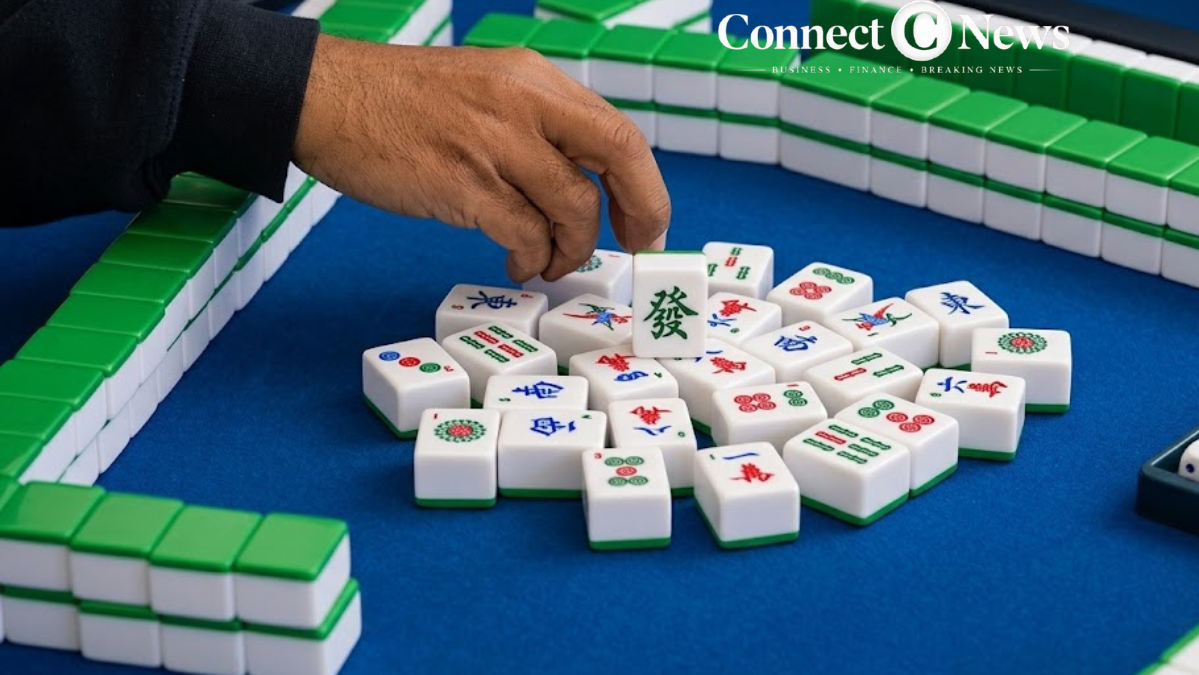
Mahjong is one of the most fascinating traditional games in the world, combining strategy, memory, calculation, and a little bit of luck. Originating in China during the Qing dynasty, this tile-based game has grown into a global favorite with many regional variations. Although it may look complicated at first, learning the basic concepts makes it much easier to enjoy.
Many beginners search for how to play mahjong because the game involves unique tiles, special patterns, and specific rules that are different from most modern board games. The good news is that once you understand the purpose of the game, the tile groups, and the basic moves, you can start playing confidently.
Mahjong is not only about making matching tiles. It requires players to observe opponents, plan ahead, manage risks, and decide when to attack or defend. Whether you want to play casually with friends or explore competitive versions, understanding the foundation of the game is the first important step.
Understanding the Basics of Mahjong
Before learning the strategies and advanced techniques, it is important to understand what makes mahjong different from other games. Mahjong is usually played with four players, and each player uses a collection of beautifully designed tiles to create a winning hand. The main goal is to complete a specific tile combination before the other players do.
A traditional mahjong set contains different categories of tiles, including suits, honor tiles, and special bonus tiles. The suits are usually based on circles, bamboo, and characters. Honor tiles include winds and dragons, which often play an important role in scoring. Some versions also include flower or season tiles.
The game begins with players receiving a starting hand of tiles. During each turn, players draw a new tile and decide which tile to discard. The process continues as everyone tries to improve their hand while watching the moves of their opponents.
For someone learning how to play mahjong, the biggest challenge is understanding that the game is not simply about collecting identical tiles. Players need to build organized combinations while predicting which tiles might appear next.
Mahjong Tiles and Their Importance
Mahjong tiles are the heart of the game, and knowing their purpose helps beginners understand the flow. The tiles are divided into different groups, each with its own role in creating winning combinations.
The three main suits are numbered from one to nine. These include bamboo tiles, character tiles, and circle tiles. Players usually create sequences using three connected numbers from the same suit. For example, a sequence could include a three, four, and five from the same suit.
Another important group is the honor tiles. These include the four winds and three dragons. Unlike numbered tiles, honor tiles cannot create regular sequences. Instead, they are often used to create matching groups of three identical tiles.
Some versions of mahjong include bonus tiles such as flowers and seasons. These tiles usually provide additional points rather than being part of the main hand structure.
Learning the purpose of each tile type makes it easier to understand how to play mahjong because every decision depends on knowing which tiles are valuable and which ones can be safely discarded.
The Main Objective of Mahjong
The main objective of mahjong is to complete a winning hand before your opponents. A standard winning hand usually consists of four groups of tiles and one pair. The groups can be sequences or matching sets depending on the rules being used.
A sequence is made of three consecutive tiles from the same suit. For example, a four, five, and six of bamboo would create a sequence. A matching set, often called a triplet, consists of three identical tiles.
The pair is made of two identical tiles. Completing these combinations creates a balanced hand that allows a player to declare victory.
However, mahjong is not only about reaching the winning combination quickly. Experienced players understand that timing and decision-making are equally important. Sometimes keeping a flexible hand is better than chasing one specific combination.
Beginners often focus only on their own tiles, but skilled players also pay attention to what others discard. This helps them understand which tiles may be dangerous and which strategies opponents might be following.
How to Play Mahjong Step by Step
Understanding the basic gameplay process is the easiest way to become comfortable with mahjong. The game follows a repeated cycle where players draw, evaluate, and discard tiles.
At the beginning, the tiles are shuffled and arranged face down. Players receive their starting tiles, and one player begins the first turn. The player draws a tile from the remaining pile and checks whether it improves their hand.
After drawing, the player chooses one tile to discard. The discarded tile is placed face up where other players can see it. This continues around the table until someone completes a winning hand or the available tiles run out.
Players may also claim discarded tiles in certain situations. For example, if a discarded tile completes a required combination, a player may announce a special move depending on the rules being used.
When learning how to play mahjong, beginners should focus on understanding this basic cycle first. Advanced strategies become much easier once the drawing and discarding process feels natural.
Creating Mahjong Combinations
The combinations you create determine whether your hand can become a winner. Mahjong has several important patterns that players use throughout the game.
The most common combination is called a sequence. It requires three consecutive tiles from the same suit. Sequences are useful because they give players flexibility when building a hand.
Another common combination is a triplet, which requires three identical tiles. Triplets can be created with numbered tiles or honor tiles. They are often valuable because they provide strong points in many versions of the game.
A pair is another necessary element in most winning hands. Choosing the right pair can influence your entire strategy. Some players prefer keeping pairs that can easily become valuable combinations.
Experienced players often avoid committing too early to one strategy. Instead, they keep multiple possibilities open until they have a clearer path toward victory.
Important Mahjong Rules Beginners Should Know
Every version of mahjong has slightly different rules, but several basic principles are common across most variations. Understanding these rules prevents confusion when joining a new game.
Players must always follow the correct turn order. Drawing and discarding happen in a specific sequence, and interrupting the flow can create mistakes.
Players also need to understand when they can claim another player’s discarded tile. In many versions, certain combinations can only be completed through your own draws, while others allow you to use another player’s discard.
Another important rule is that players must usually announce when they have completed a winning hand. Hidden information is a major part of mahjong, so players should not reveal their tiles unnecessarily.
Beginners studying how to play mahjong should remember that rules can vary between Chinese, Japanese, American, and other regional styles. It is always helpful to confirm the specific rules before starting a game.
Mahjong Strategy Tips for New Players
Although luck affects the tiles you receive, strategy plays a major role in determining success. Good players make decisions based on probability, observation, and patience.
One important strategy is keeping your hand flexible. Beginners often focus on creating one specific pattern too early. A better approach is to keep several possible combinations available until stronger opportunities appear.
Paying attention to discarded tiles is another important skill. Every discarded tile provides information about what players may or may not need. This can help you avoid giving opponents valuable tiles.
Managing risk is also essential. Sometimes it is better to play defensively instead of aggressively chasing a difficult winning hand. Knowing when to slow down separates experienced players from beginners.
The more you practice, the easier it becomes to recognize patterns and make faster decisions during the game.
Common Mistakes Beginners Make in Mahjong
Many new players make similar mistakes when they first start learning mahjong. Recognizing these mistakes can help you improve faster.
One common mistake is ignoring the value of discarded tiles. Beginners often throw away tiles without considering whether they might help another player. Every discard should be made carefully.
Another mistake is trying to complete complicated combinations too quickly. While impressive patterns can earn more points, they are often harder to achieve. Beginners should focus on creating reliable hands first.
Some players also forget to observe their opponents. Mahjong is a social strategy game, and watching other players is just as important as managing your own tiles.
Avoiding these mistakes will make the learning process smoother and help you enjoy the game more.
Different Versions of Mahjong Around the World
Mahjong has developed into many different styles across different countries and cultures. While the foundation remains similar, scoring systems and rules can change significantly.
Chinese mahjong is considered the original style and has many regional variations. It usually focuses heavily on traditional scoring methods and patterns.
Japanese mahjong, also known as Riichi Mahjong, introduces additional strategic elements such as declaring readiness and managing defensive play. It is popular among competitive players because of its deeper tactical approach.
American mahjong includes additional rules and special cards that influence the way players build their hands. It is often played in social groups and clubs.
Understanding these variations is useful because the answer to how to play mahjong depends partly on which version you want to learn.
Improving Your Mahjong Skills Through Practice
Like any strategic game, improvement comes through consistent practice. Playing regularly helps you recognize patterns and make better decisions.
Beginners should focus on understanding basic combinations before worrying about advanced scoring methods. Strong fundamentals create a better foundation for future improvement.
Watching experienced players can also be helpful. Observing their choices, tile management, and defensive strategies can teach valuable lessons.
Online mahjong platforms and mobile applications are also useful for practice because they allow players to play against different skill levels.
Over time, you will develop your own playing style and become more comfortable making decisions during challenging situations.
Why Mahjong Remains Popular Today
Mahjong has survived for generations because it offers a unique combination of competition, social interaction, and mental challenge. Unlike many games that depend only on speed or luck, mahjong rewards thoughtful decisions.
The game encourages concentration and memory while creating opportunities for friendly conversations between players. Many families and communities continue to play mahjong as a way to connect with others.
Modern technology has also introduced mahjong to new audiences. Digital versions allow people from around the world to enjoy the game without needing a physical tile set.
Its balance of tradition and strategy is one reason mahjong continues to attract new players every year.
Frequently Asked Questions About Mahjong
Is mahjong difficult for beginners?
Mahjong may appear complicated because it has many tiles and rules, but the basic gameplay is easy to understand. Most beginners can learn the foundation after practicing the main combinations and turn structure.
How many people usually play mahjong?
Traditional mahjong is designed for four players. However, some digital versions and simplified formats allow different numbers of players.
What is the main goal of mahjong?
The main goal is to create a complete winning hand by arranging tiles into specific combinations before your opponents.
Can I learn mahjong by playing online?
Yes, online platforms are a great way to practice. They often include tutorials, beginner modes, and automated opponents that help new players improve.
Are all mahjong rules the same?
No, different regions have different versions of mahjong. Chinese, Japanese, American, and other styles may have different scoring systems and special rules.
Read also correctnews.co.uk
